$13.2 Trillion Crisis is a Failure of the Public-Only Model
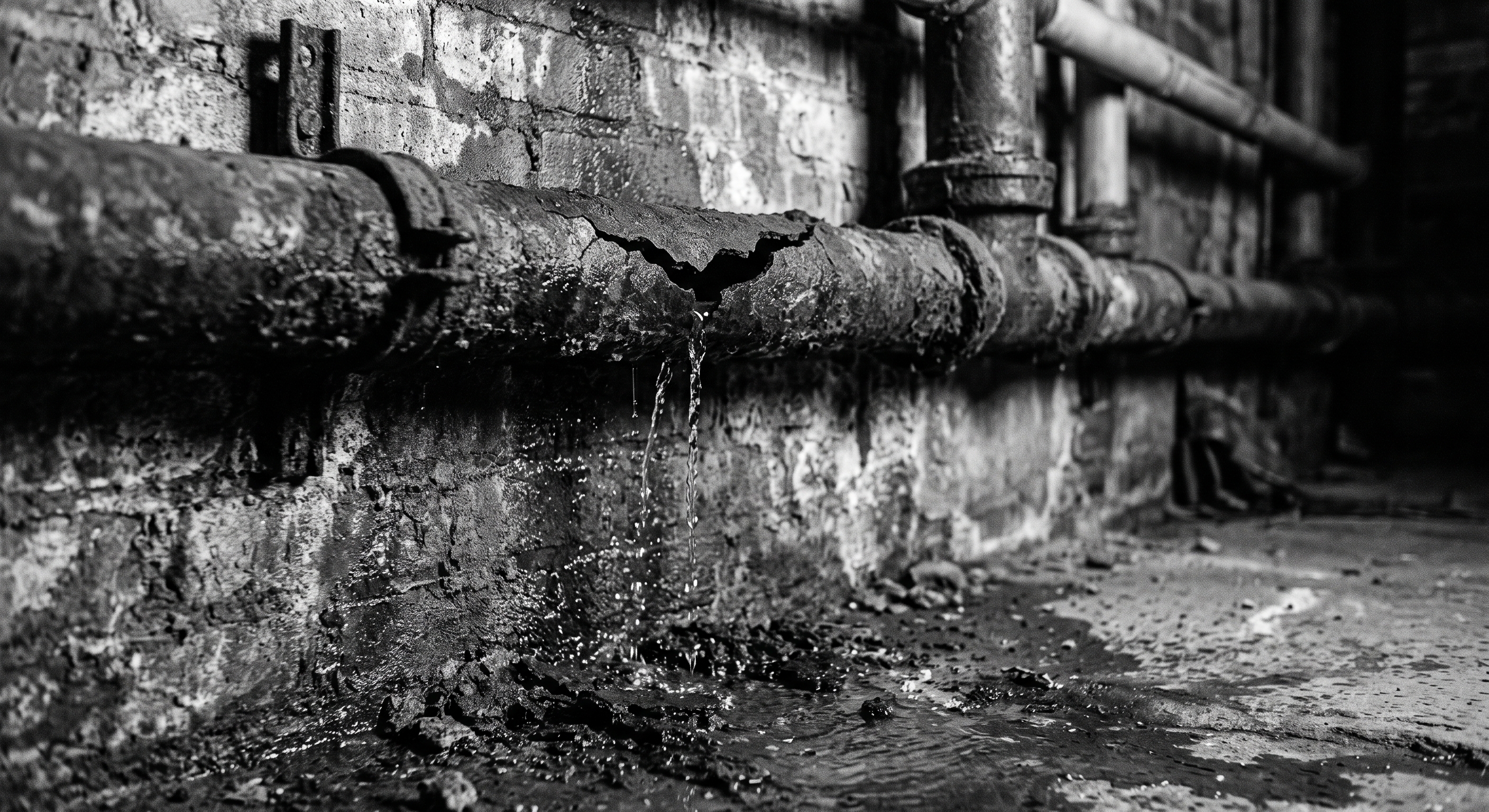
Whenever I share the basic economics of the global water crisis with investors and corporate leaders, I see the exact same reaction: absolute disbelief. It is a genuine "WTF" moment. Because water still flows when we turn on the tap, most people assume the system behind it is just aging or slow to innovate. They assume we are facing an engineering challenge. But the reality is far more systemic, and far more alarming: the public-only model for managing global water has fundamentally failed. The systems are crumbling, and the governments tasked with managing them are entirely broke.
The magnitude of this municipal poverty is so outrageous that people instinctively reject the facts until they see the math. The world requires an estimated $13.2 trillion in water infrastructure investment by 2030 to avoid a projected 40% global clean water deficit. Yet, according to a study by the World Bank Group and the IBNET database
65% of global water utilities cannot even cover their basic daily operational costs from user revenues alone.
And let me be absolutely clear: this is not just a developing-world problem. The IBNET data spans 150 countries. We are talking about the wealthiest nations on earth. European utilities are financially underwater. Rural municipalities across the United States are completely tapped out.
Across G20 economies and beyond, a staggering 86% of utilities are mathematically incapable of funding new capital expenditures—facing a massive 5x CapEx shortfall.
We are staring down a $13.2 trillion existential threat, and we are waiting for bankrupt government agencies to magically absorb the cost.
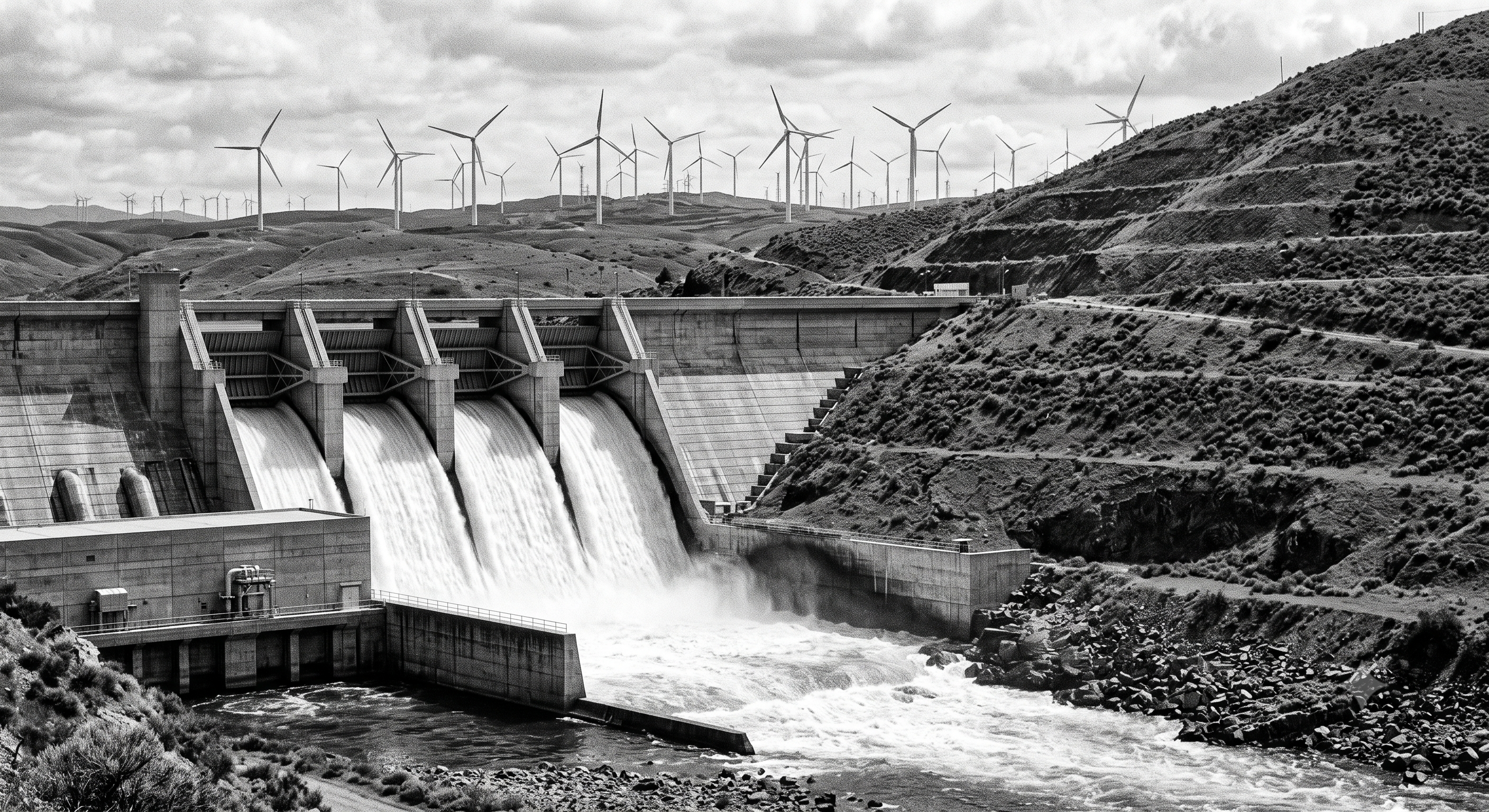
If you look at the world’s most successful, resilient infrastructure networks—from energy grids to telecommunications—they all rely on a deliberate partnership between government oversight and private sector capital. Yet water remains dangerously isolated as a public-only burden. Clean energy draws over 75% of its capital from private debt and equity markets because the industry built the standardized financial frameworks to invite private capital into the solution set. Water captures less than 15%, and that is mostly corporate capital. There are armies of institutional investors and corporate hyperscalers holding $3 trillion in unhedged water risk, desperate to deploy capital. But without standardized financial infrastructure, they remain locked out of the solution.
Creating durable change means we must stop waiting for a broken public model to fix itself.
We have to invite the private sector in by building a system they actually understand and trust.
The mechanics are surprisingly simple: instead of forcing a broke municipality to take on more debt, we change who pays for the infrastructure. At Kreneon, we place secure digital observers directly on the meters to prove exactly how much clean water is being produced. We then translate that verified data into standardized contracts—much like the ones used to buy and sell renewable energy today. This allows global corporations to directly fund local water projects to offset their own risks, which gives banks the absolute certainty they need to lend the capital. The community gets the physical water, the corporation gets the verified impact and water certainty, and private capital helps rebuild the infrastructure. We end up with the public-private solution we needed all along.
Sources:
- World Bank Group & IBNET Database: Funding a Water-Secure Future: An Assessment of Public Spending (Utility operational cost failures & 5x CapEx shortfall across 150 countries).
- Global Commission on the Economics of Water (GCEW) / UN-Water: 2030 Water Resources Group Fundamental Modeling (40% clean water deficit by 2030).
- Ceres Valuing Water Finance Initiative & CDP Disclosures: Corporate Water Risk Landscape ($3T unhedged corporate risk).
- World Economic Forum (WEF): Strategic Intelligence & Water Infrastructure Gap ($13.2T capital requirement).